Nature and Climate Change
Time required: approx. 2–3 lessons (2–3 × 45 minutes)
Nature and climate change
Nature plays an important role in all three countries in the Kingdom of Denmark – Greenland, the Faroe Islands and Denmark. However, Nature does not look the same, and people live with it in different ways.
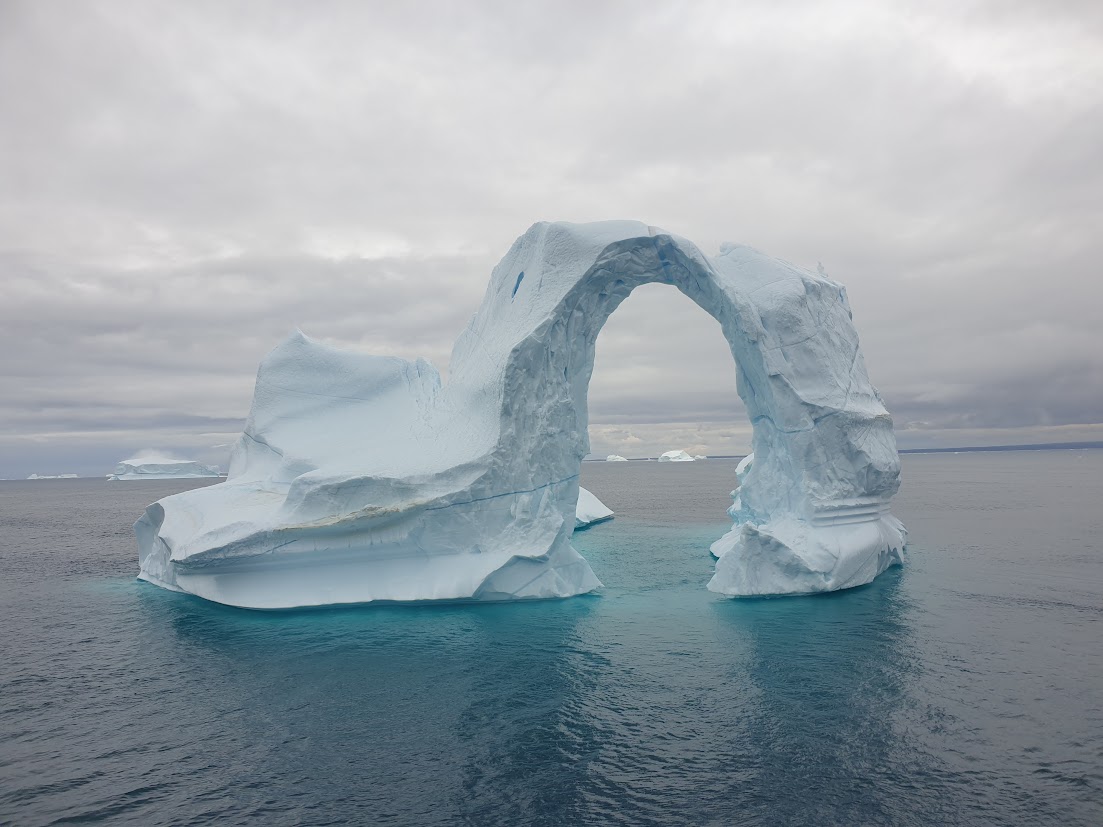
In Greenland, Nature is vast, wild and closely connected to people’s lives. In many places, hunting and fishing are still an important part of culture and everyday life.
In the Faroe Islands, the sea and the mountains are always close by. Fishing has been an important foundation of society for many years, and nature still plays a key role in both work and leisure.
In Denmark, a large part of nature is shaped by intensive agriculture, including the production of animal feed for a large pig industry. Many people in Denmark would like to reduce the use of pesticides and create more space for restoring wild nature. This is an important political issue (2026). At the same time, many people in Denmark enjoy spending time in nature, for example at the coast, in forests or in parks. Across all three countries, Nature is under pressure. Climate change, pollution, overconsumption and loss of biodiversity affect plants, animals and people. Year by year, people in Greenland witness the ice sheet melting and glaciers retreating. In this theme, you will meet young people from the three countries and hear their thoughts about nature, climate change and the future.
What does Nature mean for young people?
Nature plays a role in many young people’s lives – but in different ways. Some live close to mountains, sea, ice and large open landscapes, and use Nature a lot in their daily lives. Others live in cities, where nature might mainly be parks or green spaces. And some live in rural areas, where nature may be fields and forests. For some young people, nature and climate change are very important. For others, it plays a smaller role in everyday life. It often depends on where you live and how you use Nature.
Climate Change (GlobalWarming)
Climate change means that the Earth’s climate is slowly changing:
- Higher temperatures.
- Melting ice in Greenland and the Arctic.
- Rising sea levels.
- Changes in living conditions for plants and animals.
In the Faroe Islands and Denmark, people also talk about storms, the marine environment, fish stocks and the loss of biodiversity (the number of different species).
Biodiversity
Biodiversity means the variety of all living things in nature and how animals, plants and microorganisms interact. Biodiversity is under threat due to human activity, which leads to loss of habitats and extinction of species. When biodiversity is high, many species live together and depend on each other.
The Ocean and Fish Stocks
The ocean plays a very important role for both Greenland and the Faroe Islands. Fishing is one of the most important sources of income in both countries. Fish such as cod, halibut, mackerel and herring are exported to many countries around the world. However, fish stocks can change. Climate change, ocean temperatures and the level of fishing all affect how many fish there are. That is why scientists and authorities work to set fishing quotas, so that fish will also be available in the future.
What is farmland used for?
In Denmark, a large part of the land is used for agriculture. Much of this land is used to grow crops such as grain and maize, which are not eaten by people. Instead, they are used as animal feed, for example for pigs and cattle. This means that large areas of nature have been turned into farmland. Today, many people believe that some farmland should be used differently. More wild Nature, reduced animal feed production and growing more crops for human consumption could help restore biodiversity and improve conditions for plants and animals.
Clean Drinking Water – A Valuable Natural Resource
Clean drinking water is something many people take for granted. In Denmark, drinking water comes directly from groundwater underground. In recent years, however, traces of pesticides and other chemicals have been found in some areas.
This has made clean drinking water an important political issue in Denmark (2026). In Greenland and the Faroe Islands, drinking water often comes from lakes, meltwater or streams, where the water is very clean. At the same time, Nature is more vulnerable, because pollution can be difficult to remove. Clean water is one of the most important natural resources we have.
Watch the video – Theme 4 Nature and Climate Change
(Take notes while watching) The video is 15:21 minutes
Please respect the young people featured in the videos
These videos were produced for educational use. Out of consideration for the young people featured, please use the videos only in connection with teaching and Polarskolen’s educational materials, and do not share them outside this context.
Talk together about the text, fact boxes and the video
- Did you learn something new?
- How do Nature and climate change affect the lives of young people in Greenland, the Faroe Islands, and Denmark?
- How do you use Nature in your everyday life – and how do you think it is different for young people in the three countries?