
Everyday life
Time required: approx. 2–3 lessons (2–3 × 45 minutes)
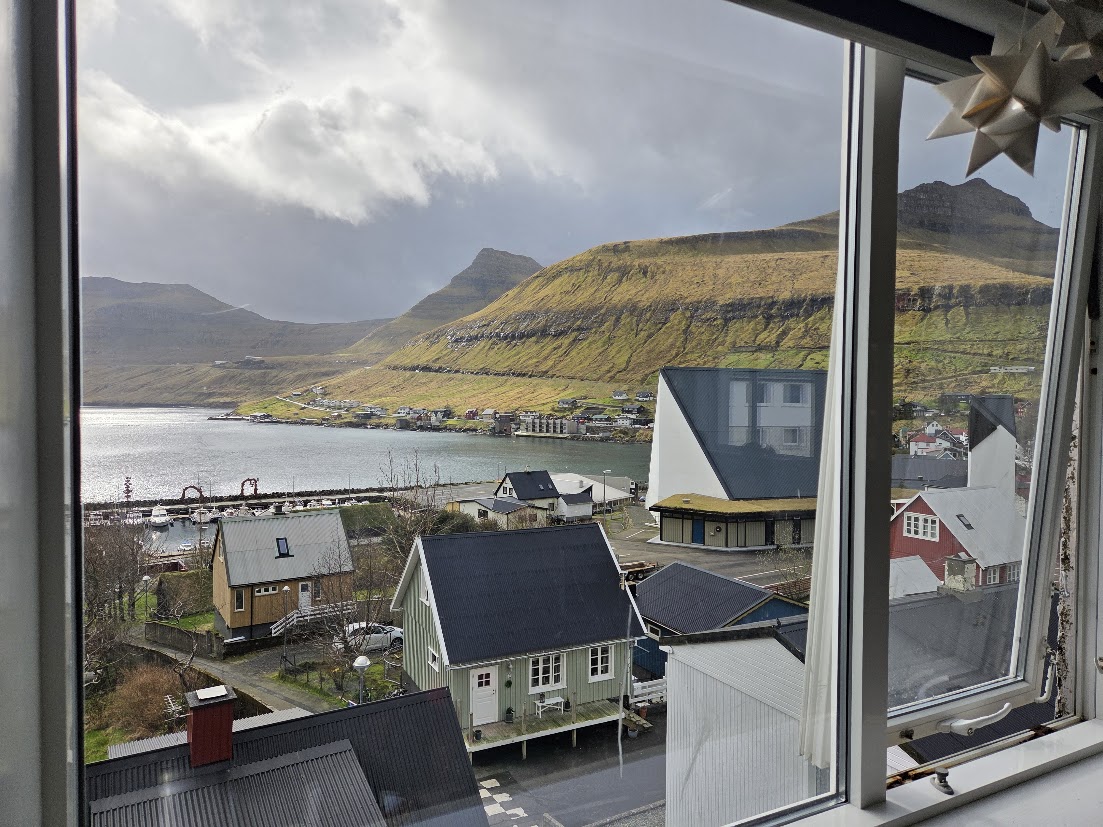
Everyday life – in three countries
Young people in Greenland, the Faroe Islands and Denmark live in very different places. But they also have things in common: they go to school, spend time with friends, use their free time doing things they enjoy – and think about their future.
Being young in Greenland today
When you think of Greenland, you might imagine snow, dog sleds and icebergs. That is true – but it is only a small part of everyday life for young people today. Most young people live in towns or small settlements along the coast. A settlement is a small community found in Greenland and the Faroe Islands. Fewer people live there than in a town. Many settlements are close to Nature, and some can only be reached by boat, snowmobile or plane. The sense of community is often strong, and many people know each other. Young people go to school, spend time with friends, play games and watch videos – just like young people in many other parts of the world. At the same time, many have a close relationship with Nature and spend time fishing, sailing or going on trips in the mountains. In larger towns like Nuuk, there are cinemas, shops and educational opportunities. In smaller settlements, there are fewer opportunities, but often a strong community where everyone knows each other.
Many young people think about their future:
Should I stay?
Move to a bigger town?
Study in Denmark?
Young people in Greenland are proud of their language and culture. They often live between Greenlandic traditions and a global world – which can be both exciting and confusing.
Being young in the Faroe Islands today
In the Faroe Islands, many young people grow up surrounded by mountains, sea and wind. Some live in small settlements, while others live in the capital, Tórshavn. In the settlements, the sense of community is strong, and families often help each other. In Tórshavn, there are more opportunities for education, sports and culture. Some young people move away from home at an early age to attend school in the city or in Denmark. Faroese young people are proud of their language and culture. At the same time, they are part of a global world with social media, music and trends from around the world. Many face a choice: Stay on the islands – or go abroad? Many young people from the Faroe Islands move to Denmark to study, often in their early 20s. This means that there are especially fewer young women on the islands. About half do not move back, because they enjoy the greater opportunities for education, culture and city life in Denmark.
Being young in Denmark today
In Denmark, many young people grow up with many opportunities. There is school, leisure activities, sports and access to culture. Most young people are online every day, using social media, playing games and watching videos. At the same time, not all young people have the same conditions. Like in Greenland and the Faroe Islands, many thrive, while others struggle with stress, pressure or loneliness. Some feel strong pressure to do well in school and make the “right” choices for their future. Many young people are also interested in important topics such as climate and equality. Being young in Denmark often means having many choices – and figuring out what matters most to you. After lower secondary school, young people can choose between different types of education. Many choose upper secondary education, while others choose vocational education. Vocational education is more practical and prepares you for a specific trade, for example becoming a carpenter, electrician or chef. However, fewer young people choose vocational education, and many drop out. This is a challenge for society, as more skilled workers will be needed in the future. Overall, being young in Denmark means having many opportunities – but also facing important choices and challenges.
Nuuk
Nuuk is the capital of Greenland and is located by a large fjord, surrounded by mountains and sea in southwest Greenland. There are about 57,000 people living in Greenland, and around 19,000 of them live in Nuuk. The city is Greenland’s political and cultural centre, with upper secondary schools, cultural centres, sports, shops and education.
Tórshavn
Tórshavn is the capital of the Faroe Islands and is located by the sea, surrounded by mountains. There are about 53,000 people living in the Faroe Islands, and around 20,000 of them live in Tórshavn. The city is the political and cultural centre, with schools, upper secondary education, sports, shops and an active music and cultural life.
Copenhagen
Copenhagen is the capital of Denmark and is located by the Oresund on the island of Zealand. There are about 6 million people living in Denmark, and around 667,000 live in the Municipality of Copenhagen. The city is the political and cultural centre, with many schools, youth education programmes, cultural activities, sports and a vibrant city life.
The crisis between Denmark, Greenland, and the USA – what does it mean for young people in Greenland?
The crisis is present in the media and in conversations – also among young people in Greenland. It does not directly change their everyday life, but it creates uncertainty and raises questions about the future. For some young people, it leads to more thoughts about independence, identity and who should decide the future of their country.
Watch the video Theme 2 – Everyday life (Remember to take notes)
The video lasts approximately 17:04 minutes
Please respect the young people featured in the videos
These videos were produced for educational use. Out of consideration for the young people featured, please use the videos only in connection with teaching and Polarskolen’s educational materials, and do not share them outside this context.
Talk together about the text, fact boxes and the video
- Did you learn something new?
- How many people live in Greenland, the Faroe Islands and Denmark?
- What do you think the crisis means for young people in Greenland?
Tasks – Theme 2: Everyday Life
No fields found in this QA Sheet.